Schildklier Kanker: Understanding Thyroid Cancer in South Africa
Eish, getting a diagnosis of any cancer can be a real jolt. But understanding thyroid cancer is the first step towards managing it effectively. Thyroid cancer, affecting the small butterfly-shaped gland in your neck that controls your body’s energy, isn’t the most common cancer, but early detection is crucial for the best outcome. This comprehensive guide will help you understand the symptoms, risks, diagnosis, treatment, and how to find the right help in South Africa. We'll keep it plain and simple, no fancy medical terms!
Spotting the Signs: Common Thyroid Cancer Symptoms
The tricky thing about thyroid cancer is that it often doesn't show noticeable symptoms early on. This is why regular check-ups are so important. However, some common signs to watch out for include:
- A lump or swelling in your neck: This might feel different from a normal lymph node and could be painless or slightly uncomfortable.
- Changes in your voice (hoarseness): A persistent raspy voice or difficulty speaking clearly could be a potential sign.
- Trouble swallowing or breathing: Difficulty swallowing food or feeling breathless could indicate an underlying issue.
- Neck or throat pain: Persistent pain that doesn't go away, especially with other symptoms, needs checking.
Remember, many people with thyroid cancer have no obvious symptoms. This emphasizes the importance of regular check-ups with your doctor, especially if you have a family history of thyroid cancer or other risk factors.
Understanding Your Risk: Key Risk Factors
While anyone can develop thyroid cancer, some factors increase your risk. Knowing these can help you make informed decisions about your health.
- Family History: A strong family history of thyroid cancer (parents, siblings) significantly raises your risk.
- Radiation Exposure: Prior exposure to high doses of radiation, especially during childhood, is a known risk factor.
- Age: The risk increases with age, particularly after 50.
- Gender: Women are more likely to develop thyroid cancer than men.
- Genetic Conditions: Certain rare genetic conditions can also increase your risk.
Having risk factors doesn't mean you will get thyroid cancer. Many people with these factors never develop the disease. Conversely, people with no known risks can still be affected.
Getting a Diagnosis: The Diagnostic Process
If your doctor suspects thyroid cancer, they'll likely perform a physical exam, feeling for lumps. Further tests might include:
- Ultrasound: A painless scan using sound waves to create detailed images of your thyroid.
- Fine-Needle Aspiration Biopsy (FNA): A quick procedure where a small sample of cells is taken from the suspicious area for lab analysis.
- Blood Tests: These measure thyroid hormone levels, which might show abnormalities needing further investigation.
- Advanced Imaging (CT or MRI Scans): These might be used to get a clearer picture of the thyroid and surrounding areas.
The process might feel overwhelming, but your doctor will guide you through each step, explaining the results clearly.
Treatment Options: A Personalized Approach
Treatment for thyroid cancer is very individual – it depends on the type and stage of cancer, your overall health, and your preferences. Common options include:
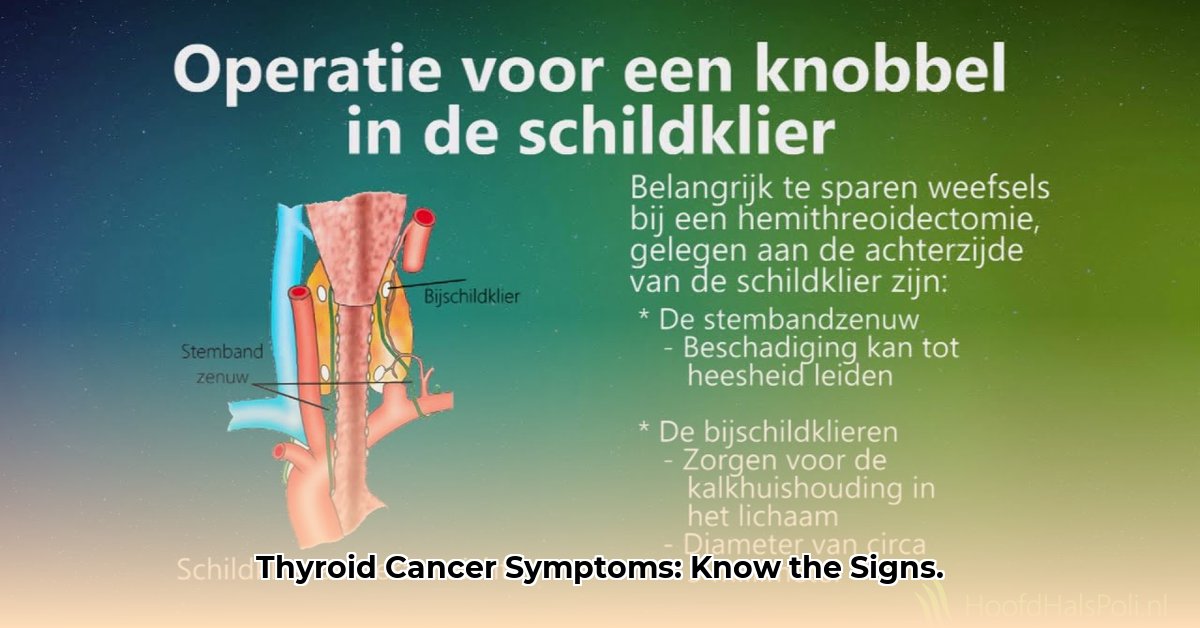
- Surgery: Removing all or part of the thyroid gland, the extent of which depends on the cancer's size and location.
- Radioactive Iodine Therapy: Using radioactive iodine to target and destroy any remaining cancer cells after surgery.
- Other Therapies: Chemotherapy, targeted therapy, or external-beam radiation might be used in more advanced stages.
A multidisciplinary team (surgeons, endocrinologists, oncologists) usually creates a personalized plan. Remember, you're a key part of this process – ask questions and don't hesitate to seek a second opinion.
Prevention and Early Detection: Taking Charge of Your Health
While you can't completely prevent thyroid cancer, early detection drastically improves outcomes.
- Regular Check-ups: Regular visits to your doctor, especially if you have risk factors, are vital.
- Family History Awareness: Knowing your family history of thyroid problems is crucial information for your doctor.
- Healthy Lifestyle: Maintaining a healthy lifestyle with a balanced diet and regular exercise supports your overall well-being.
Early detection is your best defence. The sooner it's caught, the better the chance of successful treatment.
Finding Help in South Africa: Resources and Support
This information is for general knowledge and shouldn't replace professional medical advice. For concerns about thyroid cancer, consult your doctor. They can provide personalised guidance and answer your questions. Various organisations offer support and information on thyroid cancer. Remember, you're not alone.
Key takeaways:
- Early detection is crucial for successful thyroid cancer treatment.
- Treatment plans are tailored to individual needs, often involving a multidisciplinary team.
- Regular check-ups and awareness of risk factors are vital for prevention.